

Buying sight unseen is workable, but it carries more risk than walking through a home yourself. Before you make an offer, lock in four things: an experienced local buyer's agent who acts as your eyes on the ground, a firm inspection contingency with specialty scopes where relevant, thorough live video walkthroughs, and a verified remote closing process with wiring safeguards. This approach fits relocating professionals, military families, investors, and buyers competing in fast-moving markets who cannot fly in before an offer deadline.
TL;DR:
- Buyers should have a trusted local agent and conduct live video property walk-throughs to verify home conditions and address potential issues remotely.
- It is essential to include contingencies like inspections and appraisals in the offer, and verify wiring instructions independently before closing.
- Buyers must check permits, HOA restrictions, and neighborhood conditions through thorough research and request full disclosures to avoid surprises.
- Obtaining early homeowners insurance quotes and confirming coverage for regional risks like wildfire and flooding helps avoid costly surprises post-closing.
- Managing the property after purchase requires local contacts for maintenance, seasonal checks, and compliance with HOA rules to prevent future problems.
Table of Contents
- What Does Buying Sight Unseen Actually Mean?
- What Are the Pros and Cons of Buying Sight Unseen?
- How Do You Buy a House Sight Unseen Step by Step?
- What Red Flags and Contract Protections Should You Demand?
- Offer and Inspection Checklists You Can Copy
- What Local Expertise Actually Adds to a Remote Purchase
- Do You Need Different Insurance When Buying Sight Unseen?
- How Do You Manage a Property You've Never Seen After Closing?
- When Should You Buy Sight Unseen, and When Should You Insist on Visiting?
- How Vacationhomesforsalecolorado Acts as Your On-the-Ground Partner
- Sources
What Does Buying Sight Unseen Actually Mean?
Buying sight unseen means submitting an offer and closing on a property without physically stepping inside it first. Instead, you lean on virtual tours, photos, disclosures, and a local representative you trust to catch what a camera might miss. It is not blind faith. It is delegated verification, where someone with local knowledge and professional standing does the legwork you can't do from another state or country.
The practice has grown steadily since the pandemic normalized remote work and video-first transactions. SoFi points to housing-trend data showing that a notable share of home shoppers have made an offer without visiting in person, a shift that mirrors how mortgage preapproval, e-signatures, and virtual tours became routine almost overnight.
You'll see this approach most often among:
- Buyers relocating for a job with a hard start date
- Military families moving under PCS orders with limited scheduling flexibility
- Investors purchasing rental or vacation properties in a market they already know well
- Buyers in competitive markets where an in-person visit would mean losing the home to a faster offer
Mountain resort towns like Breckenridge and Frisco see plenty of this last category, especially from out-of-state buyers chasing a ski condo before spring inventory dries up.
What Are the Pros and Cons of Buying Sight Unseen?
The upside is real, but so is the downside, and pretending otherwise does buyers a disservice.
What you gain:
- Speed. You can submit an offer within hours of a listing going live instead of waiting for a flight.
- Lower cost. No travel expenses, no lodging, no lost workdays for a house-hunting trip.
- Wider market access. You can pursue a home in Summit County, Colorado, from anywhere without limiting your search to weekends you can physically travel.
What you risk:
- Hidden structural issues a camera angle conveniently avoids, like foundation cracking or water damage tucked behind furniture.
- Neighborhood surprises: a busy road, a noisy short-term rental next door, or seasonal traffic that photos never capture.
- HOA surprises, including rental restrictions or special assessments that weren't disclosed clearly.
- Expensive repairs that surface only after closing, from an aging roof to a septic system nobody flagged.
Buyers who tolerate this trade-off best are typically cash-flexible, have a trusted local agent already vetted, and are buying in a market they've researched extensively, even if they haven't walked the property. Buyers with a thin repair budget or no local contacts should think twice before skipping the visit entirely.
How Do You Buy a House Sight Unseen Step by Step?
Buying remotely works when you treat it like a project with checkpoints, not a leap of faith. Here's the sequence that keeps risk manageable from start to close.
1. Get preapproved before you start looking. A mortgage preapproval letter tells sellers you're serious and gives you a real budget ceiling. Talk to your lender specifically about remote or out-of-state purchases, since some lenders have extra documentation steps for buyers who won't be present for parts of the process.
2. Choose an agent with actual remote-buy experience. Don't assume every local agent handles sight-unseen deals well. Ask direct questions: How many sight-unseen closings have you handled in the last two years? Will you personally walk the property with me on video, or send a colleague? How fast can you get me a live tour after a listing hits the market? A trusted buyer's agent should function as your on-site advocate, not just a transaction coordinator.
3. Set your non-negotiables before you see a single listing. Decide your walk-away conditions in advance: maximum repair budget, deal-breaker HOA restrictions, minimum lot size, or proximity to noise sources. Writing these down now keeps emotion out of the process later.
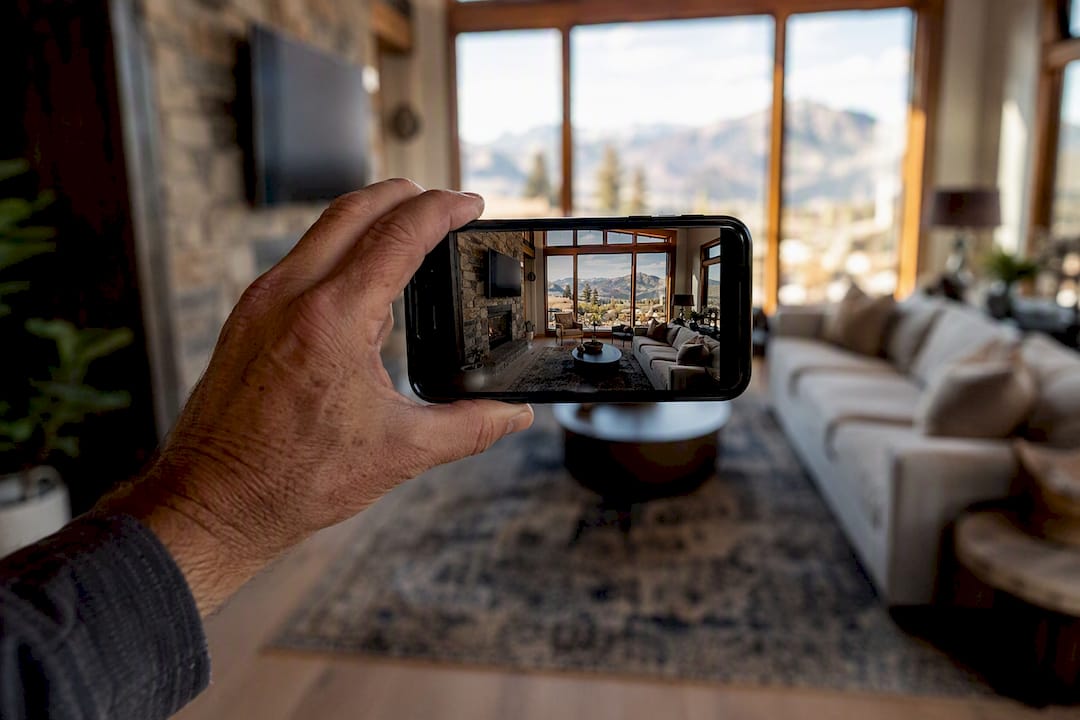
4. Demand more than a polished video tour. There are three tour types worth knowing. A live video walkthrough with your agent lets you direct the camera in real time, ask them to run the taps, flush toilets, and open closets. A 3D or interactive tour gives you a self-guided sense of layout and flow. Uncut video, filmed in one take with no editing, shows you the truth without cosmetic staging tricks. On a live walkthrough, specifically ask your agent to check water pressure, listen for street noise with windows open, and photograph any visible permits posted for ongoing work.
5. Structure your offer with real protections. Your offer needs comps that justify the price, plus contingencies that protect you: an inspection contingency, an appraisal contingency, and clear remediation terms if the inspection turns up problems. Confirm how earnest money will be held and who manages escrow instructions before you sign anything.
6. Hire your own inspector, independent of the seller's disclosures. Never rely solely on a seller's inspection report. Hire an independent inspector and request a live video debrief afterward, walking room by room through what they found. Depending on the region, add specialty scopes: sewer line inspection for older properties, roof inspection if shingles look worn in photos, and radon testing where it's a known regional risk.
Pro Tip: Ask your inspector to record a short video summary while still on-site, not just a written PDF days later. Seeing a cracked foundation joint on camera, with the inspector's voice explaining severity, tells you far more than a bullet point in a 40-page report.
7. Coordinate the appraisal without being physically present. Your lender will schedule an appraiser independently, but stay in contact with your loan officer throughout. Ask specifically whether anything about a remote buyer changes the appraisal timeline, since some lenders build in extra buffer days for out-of-state closings.
8. Close using remote online notarization where available. Remote online notarization, often called RON, lets you sign closing documents via video with an authorized online notary instead of sitting in a title office. Chase advises confirming RON availability early, since rules vary by state and not every closing agent supports it. Before wiring any funds, call your title company using a phone number you look up independently, not one from an email, to verify wiring instructions. Some documents, depending on the state and lender, may still require an in-person notary or a mobile notary who comes to you.
A realistic timeline: preapproval takes a few days to a week, virtual touring and offer submission can happen within days of a listing going live, inspection typically follows within a week of an accepted offer, and closing usually lands 30 to 45 days after that, depending on your lender and whether RON is available in that state.
What Red Flags and Contract Protections Should You Demand?
Certain warning signs should slow you down immediately, and certain contract language should be non-negotiable regardless of how much you love the listing photos.
Red flags to watch for:
- Listing photos that look inconsistent in lighting, angle, or staging from room to room, which sometimes signals an attempt to hide a problem area.
- Permits missing for visible renovation work, like a finished basement or an added deck.
- Vague or incomplete HOA documents that don't clearly state rental restrictions, fees, or pending assessments.
- A seller or listing agent reluctant to do an extended live video walkthrough.
Contract protections to build in:
- A clearly worded inspection contingency that lets you renegotiate or walk away based on findings, not just note them.
- Escrow holdbacks for known repair items, so funds are set aside instead of relying on a seller's promise.
- Title issue protections, confirming a clean title search before you're locked into closing.
Verification tactics that cost you nothing but time:
- Call the county or municipal building department directly to confirm permits match what's visible in photos.
- Request full HOA governing documents, not just a summary sheet, and read the rental and assessment sections closely.
- Search local community forums or Facebook groups for the neighborhood to get unfiltered resident opinions.
- Order specialty inspection reports remotely; most inspectors will email results and schedule a video call to walk through findings.
Offer and Inspection Checklists You Can Copy
Keep these two lists next to you when you're moving fast on a remote purchase.
Offer checklist:
- Preapproval letter in hand and shared with your agent
- Agent confirmed and communicating in real time about the listing
- Comps pulled and price justified in writing
- Inspection, appraisal, and remediation contingencies included
- Escrow and wire instructions verified independently, not just accepted from an email
Inspection checklist:
- Full video walkthrough of every room, including attic and crawl space access
- Water pressure tested in every bathroom and the kitchen
- HVAC system age and last service date confirmed
- Specialty scopes ordered where regionally relevant: sewer line, roof, radon
- Photo or video documentation of any visible cracks, water stains, or repair history
After the inspection, schedule a live debrief with your inspector before deciding whether to proceed, renegotiate, or walk away. Fifteen minutes on video with someone who was physically inside the home beats rereading a written report three times trying to picture what they meant.
What Local Expertise Actually Adds to a Remote Purchase
After years guiding buyers through Summit County transactions, the pattern is consistent: sight-unseen deals succeed or fail based on who's standing in for the buyer, not on how good the listing photos are.
The buyers who come out ahead are the ones who treat their agent and inspector as extensions of their own judgment, not as formalities to check off. The ones who struggle usually skipped the live walkthrough or trusted a seller's inspection report instead of hiring their own.
Common pitfalls include buyers who accept a recorded tour instead of insisting on live video, and out-of-state buyers who don't ask enough about HOA rental restrictions before buying a condo they planned to list as a short-term rental. Working with an agent who can personally walk a property, coordinate a trusted inspector, and manage a remote closing removes most of that risk before it becomes expensive.
Do You Need Different Insurance When Buying Sight Unseen?
Insurance deserves more attention in a remote purchase than most buyers give it. You can't smell mold, spot foundation settling, or notice a roof's true age just by scrolling through listing photos, and insurers know it.
Get a homeowners insurance quote early in the process, not after closing. Some insurers will decline coverage or charge significantly more for homes with older roofs, prior water damage claims, or wildfire exposure, all common issues in mountain markets like Summit County. If a home has a history of claims, ask your agent to pull a claims history report (a CLUE report) before you're locked into the contract, since a bad claims history can complicate coverage even when the home looks fine on camera.
Flood and wildfire risk deserve specific attention if you haven't visited the area. Check FEMA flood zone maps and state wildfire risk tools before finalizing your offer, since these factors affect both premium cost and whether some insurers will write a policy at all. If the property sits within an HOA, confirm what the master policy covers versus what you'll need on your own individual policy, since gaps here surprise remote buyers more than local ones. Title insurance matters just as much: a title search protects you from ownership disputes or liens you'd never catch from a set of listing photos, regardless of how thorough the seller's disclosures look.
How Do You Manage a Property You've Never Seen After Closing?
Closing day doesn't end the remote-ownership challenge. It starts a new phase of managing a home you may not see in person for weeks or months.
Set up a local property manager or a trusted contact immediately after closing, especially if the home will sit vacant or serve as a vacation rental. In Summit County specifically, seasonal issues like snow load on roofs, frozen pipes, and wildlife intrusion require someone checking the property regularly, not just reacting to emergencies. Schedule a professional move-in inspection within the first few weeks to document the home's actual condition against what you expected from your virtual tour, which also protects you if you ever need to dispute a warranty claim.
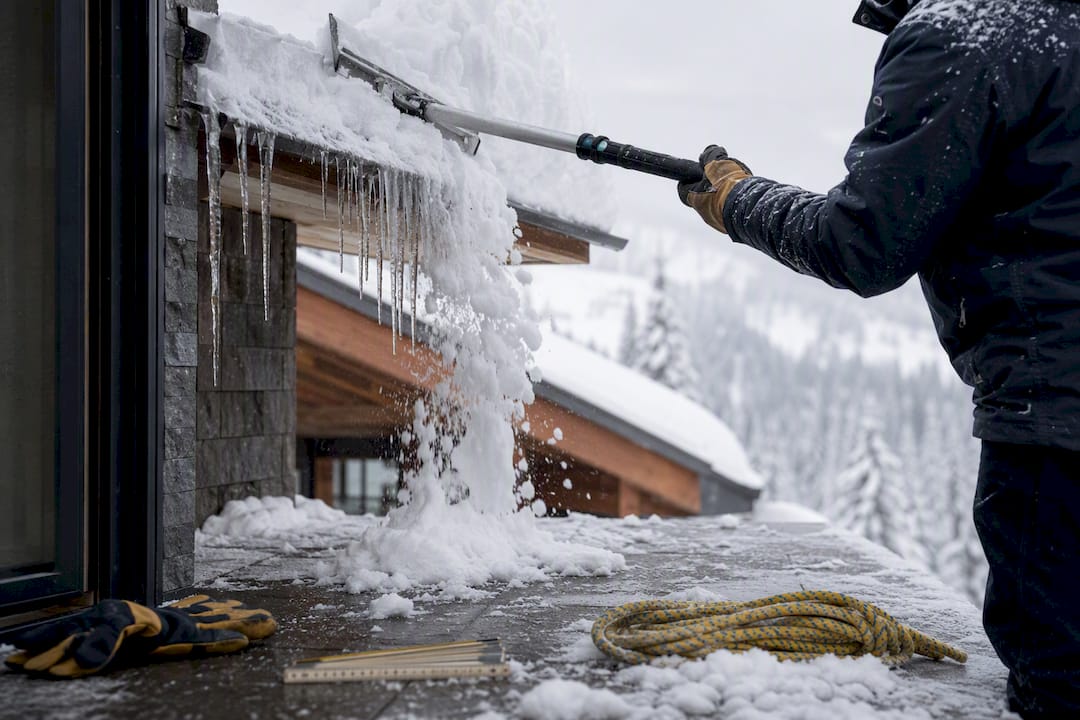
Build a maintenance calendar based on the local climate rather than assumptions from wherever you're relocating from. Mountain properties need gutter and roof checks before winter, sprinkler blowouts before the first freeze, and HVAC servicing on a schedule that differs from what you're used to in a milder climate. If you're renting the property short-term, confirm your property manager understands local HOA rental rules, since violations discovered after the fact can result in fines you didn't budget for. A quarterly check-in call with whoever is managing the property, plus an annual in-person visit when your schedule allows, keeps small maintenance issues from becoming expensive ones you find out about too late.
When Should You Buy Sight Unseen, and When Should You Insist on Visiting?
I'd greenlight a sight-unseen purchase when you have a real budget buffer for surprise repairs, a local agent and inspector you trust completely, and genuine urgency, like a job relocation or a market moving too fast for a flight. I'd insist on visiting when your repair budget is tight, you have no local contacts, or the listing raises even one red flag you can't fully verify remotely.
If you're unsure which category you fall into, that uncertainty is itself useful information. Book a consult or schedule a virtual walkthrough before you commit either way.
— Jayden
How Vacationhomesforsalecolorado Acts as Your On-the-Ground Partner
You don't have to guess whether a Summit County property matches its listing photos. Vacationhomesforsalecolorado gives remote buyers something a nationwide brokerage can't: an agent who personally knows Breckenridge, Keystone, Frisco, Silverthorne, and Dillon block by block, and who can walk a property on live video the same day it hits the market.
That local presence covers every safeguard this guide recommends. Jayden Vermeer coordinates trusted local inspectors, manages appraisal timing with your lender, and confirms remote online notarization availability before you assume a fully remote closing is possible. Wiring instructions get verified independently every time, no exceptions, and short-term rental and HOA rules get explained in plain language before you're locked into a contract. If you're weighing a purchase in the area from out of state, request a consultation or schedule a virtual tour of a specific listing to see exactly what a live walkthrough with a local agent looks like before you commit.
Sources
Review HUD's fair housing guidance for disclosure and nondiscrimination protections, check Chase's out-of-state buying guidance for lender-specific steps, and use county assessor sites or neighborhood forums to research areas before you commit remotely.