
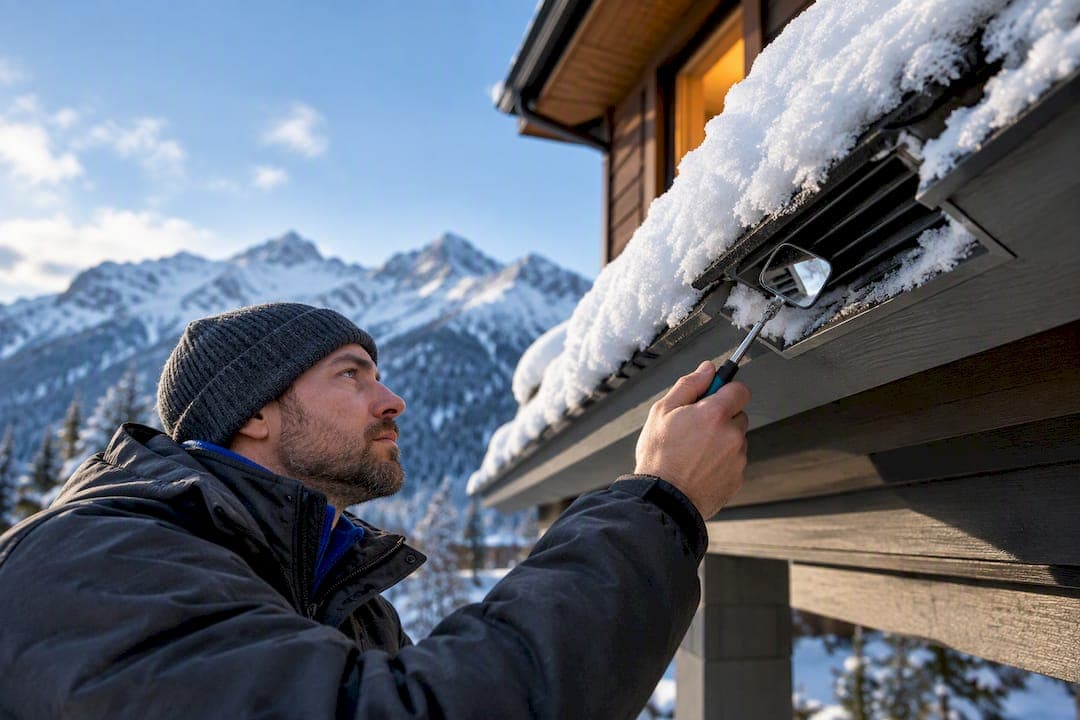
Yes, a home inspection in winter can be scheduled and can still be valuable, but expect documented limits where snow and ice hide components from view. A qualified inspector will prioritize life-safety items like vents, combustion appliances, and carbon monoxide alarms, then note any areas that snow cover makes inaccessible and recommend follow-up checks once conditions clear.
TL;DR:
- Snow and ice can hide roof, grading, and exterior components, leading to limited inspection visibility for these areas during winter assessments.
- Ensuring vents, chimneys, and propane tanks are clear of snow is critical for safety, with inspectors recommending follow-up checks after conditions improve.
- Signs of structural stress, such as sagging rooflines or creaking sounds, require prompt evaluation by a licensed engineer, especially after heavy snow accumulation.
- Frozen pipes and vent blockages are common winter risks, and insulation or heat tracing may be necessary to mitigate potential damage or system failure.
- Detailed reports with photos of inaccessible areas allow for targeted re-inspections or negotiations, often tied to thaw dates rather than fixed schedules.
Table of Contents
- What inspectors can and cannot inspect in winter
- Safety checks that come first in a winter inspection
- Roof and snow load: what's visible and what's hidden
- HVAC and plumbing checks that hold up in cold weather
- Preparing your property before a winter inspection
- Requesting follow-ups on documented limitations
- Local considerations for Summit County buyers and homeowners
- How to act on inspection findings
- Sources
- FAQ
What inspectors can and cannot inspect in winter
Home inspections follow a defined standard of practice, and ASHI's Home Inspection Standard of Practice describes the work as a non-invasive visual review of systems that are readily accessible at the time of the inspection. That standard also states inspectors should not move snow, ice, or debris just to reach a component, which matters a great deal in a Summit County winter.
Several areas commonly become limited or excluded when snow is on the ground:
- Roof surfaces buried under snow, including flashing and shingle condition
- Grading and drainage patterns around the foundation
- Portions of exterior siding or trim hidden behind drifts
- Walkways, driveways, and patios where ice conceals cracks or settling
A thorough report will spell out these limitations in plain language, often with date-stamped photos showing exactly what was covered and why a section could not be fully evaluated. That documentation becomes useful later, both for your own records and for any negotiation with a seller.
Safety checks that come first in a winter inspection
Cold weather raises the stakes on a handful of systems, and these get priority regardless of what else is on the checklist. The EPA's winter weather and indoor air quality guidance recommends clearing snow and ice from furnace, stove, fireplace, radon, and dryer vents, along with propane tanks and regulators, since blocked vents can allow carbon monoxide and other pollutants to build up indoors.
- Confirm clearance around furnace, dryer, and fireplace vents, and check propane tank and regulator areas for snow buildup
- Test smoke and carbon monoxide alarms on every level, confirming battery backup for storm-related power outages
- Clear vent openings from the ground using a broom rather than climbing onto the roof
- Have a plan for safe backup heating and generator placement well away from doors and windows during a storm
Pro Tip: Ask the inspector or a technician to physically show you the cleared vent location, not just note it was checked, since a fresh snowfall the next day can bury it again.
Roof and snow load: what's visible and what's hidden
Ground-level and attic inspections often reveal more than you'd expect, even with snow on the roof. Attic checks can catch ice dam staining, active leaks, failed flashing, and poor ventilation, and the Department of Energy's insulation guidance ties ice dams directly to air leakage and insulation gaps that let heat escape into the attic and melt snow unevenly.
Watch for signs that snow load is stressing the structure rather than just sitting on it:
- Sagging rooflines or visible bowing along ridges
- New creaking or popping sounds during heavy snow accumulation
- Doors or windows that suddenly bind or stick
Federal snow load safety guidance recommends a pre-season vulnerability review by a licensed professional engineer for buildings showing these warning signs, and it treats roof access for snow removal as a hazard best avoided. Non-metallic snow rakes used from the ground are the safer option; climbing onto a snow-loaded roof is rarely worth the risk.
HVAC and plumbing checks that hold up in cold weather

An inspector can safely run a furnace through a full heating cycle, check thermostat response, and look at visible venting, and these tests tend to be reliable even in freezing temperatures. Heat pump performance and refrigerant issues are trickier calls in winter, since cold weather can mask or exaggerate symptoms that would look different in mild conditions.
Plumbing carries its own seasonal risks:
- Frozen supply lines in unheated crawlspaces, garages, or exterior walls
- Frozen plumbing vent terminations, which can affect drainage and venting
- Exterior hose bibs and irrigation lines left unwinterized
Insulating exposed lines and adding heat trace in vulnerable spots are common mitigations worth asking about. When cold weather limits a full diagnosis, the right move is a targeted follow-up with an HVAC technician or plumber, plus a re-check after a thaw to confirm nothing was missed.
Preparing your property before a winter inspection
A little preparation makes the inspection more useful and protects your negotiating position afterward.
- Clear safe walkways to the mechanical room, attic access, and exterior equipment before the inspector arrives
- Photograph any snow-covered areas yourself, with the date visible, in case conditions change before the report is finalized
- Clear immediate vent openings if you can do so safely from the ground
- Make sure the furnace, water heater, and electrical panel are fully accessible, not blocked by storage
- Set thermostats to a normal operating range so the heating system can be tested properly
- Keep pets contained during the visit so the inspector can move freely through the property
Pro Tip: Send your date-stamped photos to your agent the same day, since they become useful evidence if a seller disputes what the inspector could and couldn't access.
Requesting follow-ups on documented limitations
A well-written report doesn't just say an area was inaccessible, it explains why and attaches photos as proof. That level of detail matters because it gives you grounds to request specific action rather than a vague promise to "look into it later."
- Ask for a structural engineer's review when the report notes sagging, creaking, or binding doors tied to snow load
- Request a roofer's inspection once snow clears if flashing, shingle damage, or ice dam staining appeared in the attic
- Schedule HVAC and plumbing specialists separately if cold weather limited a full system test
- Set a re-inspection date tied to a thaw or the first dry week, rather than an arbitrary calendar date
The American Society of Home Inspectors notes that documented restricted-access areas give buyers a reasonable basis to request timed re-inspections or an escrow holdback until conditions allow a full look.
Local considerations for Summit County buyers and homeowners
Heavy snowfall in Keystone, Breckenridge, and Frisco makes vent clearance and roof snow-shed risk a routine part of winter ownership here, not just an inspection footnote. Buyers in these areas often use documented inspection limitations as a negotiating point, requesting a repair credit or a re-inspection clause tied to spring thaw rather than closing without that protection. If you're evaluating a property in Keystone or Frisco, understanding how HOA rules and short-term rental requirements interact with maintenance obligations is worth a separate conversation before you write an offer.

How to act on inspection findings
Once a winter inspection report lands in your hands, the real work is figuring out what to do with it. We help buyers and sellers across Summit County line up the right specialist, whether that's a structural engineer for a snow load concern or a roofer for spring follow-up, and we know how to translate report limitations into a fair repair credit or re-inspection clause during negotiation.
| Situation | Who to bring in | What we help coordinate |
|---|---|---|
| Vent or CO clearance flagged | Furnace or propane technician | Scheduling and report review |
| Roof snow load warning signs | Licensed structural engineer | Follow-up assessment timing |
| Frozen pipe or vent risk | Plumber | Spring re-inspection scheduling |
If you're weighing a purchase in Silverthorne or comparing options among Breckenridge condos for sale, tools and property comparisons can help you weigh inspection findings against market value before you commit. Reach out through our contact page and we'll walk through your inspection report together.
Sources
- Winter weather and indoor air quality — U.S. EPA
- Insulation Guide — U.S. Department of Energy
- Snow load safety guide (federal building safety guidance)
FAQ
Can I say no to an inspection?
Yes, a buyer can waive a home inspection, though it's rarely advisable, especially in winter when snow cover can hide roof, drainage, and grading issues. Skipping it means giving up the documented limitations and follow-up recommendations that give you negotiating leverage later.
What is the biggest red flag in a home inspection?
Signs tied to structural overstress, such as sagging rooflines, new creaking under snow load, or doors that suddenly bind, are treated as serious warning signs by federal snow load safety guidance. Blocked combustion vents or malfunctioning carbon monoxide alarms are equally urgent since they involve immediate safety risk rather than just cost.
Can a home inspection be done in the rain or heavy snow?
Inspections can proceed in most weather, but wet or snowy conditions limit what can be safely and accurately assessed, particularly roofing, grading, and exterior cladding. A state consumer advisory on winter home buying notes that inspectors will document these limitations rather than skip the inspection entirely.
How does winter weather affect inspection accuracy?
Cold weather can make some problems, like drafts and heating inefficiency, easier to spot, while snow cover makes others, like roof damage or drainage issues, harder to see. The safest approach is treating a winter report as a solid first look, with a re-inspection after thaw for anything marked as limited or inaccessible.